-
Follow Us On:
-
-

Ambulatory BP Monitoring
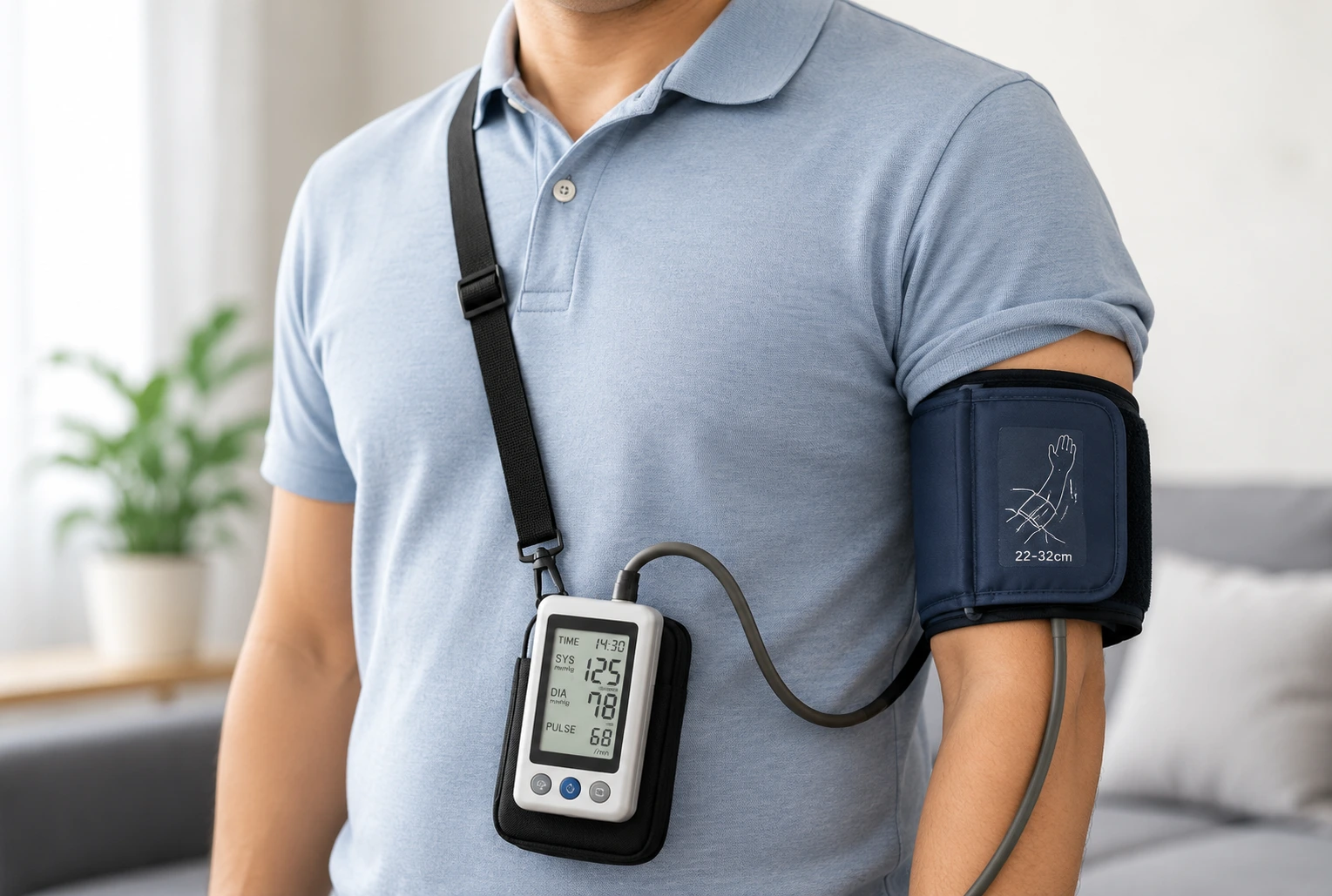
Ambulatory BP Monitoring (24-Hour ABPM) in Basaveshwaranagar Bangalore
Ambulatory blood pressure monitoring (ABPM) measures your blood pressure automatically at regular intervals over 24 hours while you go about your day and sleep. It helps a cardiologist see true blood pressure patterns, including white coat and masked hypertension, which a single clinic reading may not show.
What Ambulatory BP Monitoring Evaluates
-
Measures blood pressure at regular intervals through daytime and night-time.
-
Shows how readings vary with activity, rest, stress, and sleep.
-
Helps identify masked hypertension, white coat hypertension, and uncontrolled BP.
-
Provides more reliable patterns for treatment planning than a single clinic reading.
When Ambulatory BP Monitoring Is Recommended
-
Borderline or fluctuating clinic blood pressure readings.
-
Suspected white coat hypertension or masked hypertension.
-
Poor BP control despite medication or symptoms such as headache and dizziness.
-
Need to assess night-time blood pressure or response to current therapy.
Who May Benefit From Ambulatory BP Monitoring
-
Patients newly diagnosed with hypertension.
-
People with diabetes, kidney disease, or high cardiovascular risk.
-
Patients on BP medicines who need dose adjustment based on real-life readings.
-
Individuals whose home and clinic blood pressure values do not match.
Benefits of Ambulatory BP Monitoring
-
Improves the accuracy of hypertension diagnosis.
-
Supports safer medication timing and dose decisions.
-
Helps prevent unnecessary treatment or missed treatment.
-
Gives clearer long-term monitoring for heart and stroke risk.
Book an Ambulatory BP Monitoring Evaluation
Consult Dr Sandeep's Heart Care Center & Labs to know whether Ambulatory BP Monitoring is the right next step for your blood pressure concerns or ongoing treatment. Timely monitoring helps improve diagnosis, medication planning, and long-term risk control.
Dr Sandeep's Heart Care Center & Labs is located in Basaveshwaranagar and is easily accessible for patients travelling from Rajajinagar, Vijayanagar, Magadi Road,Malleshwaram, Mahalakshmipuram, Mahakashmi Layout, Peenya, Yeshwanthpur, Nandini Layout, Dasarahalli and surrounding areas who are looking for a cardiologist for ongoing heart disease management, BP control, or preventive cardiac care.
Frequently Asked Questions
How is ABPM different from checking BP with my home machine?
A home monitor gives readings only when you take them, usually at rest. ABPM records readings automatically for 24 hours, including during daily activities and sleep, which gives a fuller picture of your blood pressure pattern. Your cardiologist may use both.
Will the cuff disturb my sleep?
The cuff inflates automatically at night as well, usually less often than in the daytime, so some people notice it. Keep your arm relaxed and still when it inflates. Tell the staff if it is painful, as the settings or fit may need to be checked.
What is the difference between white coat and masked hypertension?
In white coat hypertension, blood pressure is raised in the clinic but normal outside it. In masked hypertension, clinic readings look normal but blood pressure is high during daily life. ABPM helps identify both, so treatment decisions can rest on a fuller record.
Should I take my BP medicines on the day of ABPM?
In most cases you continue your usual medicines so the test shows how your treatment is working in daily life. However, your cardiologist may give specific instructions, so follow those. Do not stop or change medicines on your own.
What readings are considered high on ABPM?
Guidelines use different targets for daytime, night-time and 24-hour averages, which are usually lower than clinic cut-offs. Because interpretation depends on the full pattern and your risk profile, please do not self-diagnose; your cardiologist will explain what your ABPM report means.
Can I exercise, bathe or drive during ABPM?
Carry on normal daily activities, but avoid strenuous exercise and keep the device dry. Ask the staff whether driving is advisable while the cuff is on. Remove the cuff only if your hand turns numb or the cuff is very painful, and inform the clinic.
Is ABPM safe? Are there side effects?
ABPM is non-invasive and uses no radiation. The cuff may feel tight, and some people notice mild bruising or temporary marks on the arm, particularly with frequent inflations. Tell the staff if the arm becomes numb, painful or swollen.
What happens after ABPM is done?
The device is returned and the readings are downloaded and reviewed by your cardiologist, who looks at average levels, day–night variation and how readings relate to your medicines or symptoms. The next step may be continuing treatment, changing medicines, lifestyle advice or further heart tests.
.png)