-
Follow Us On:
-
-

Neurosurgery & Spine
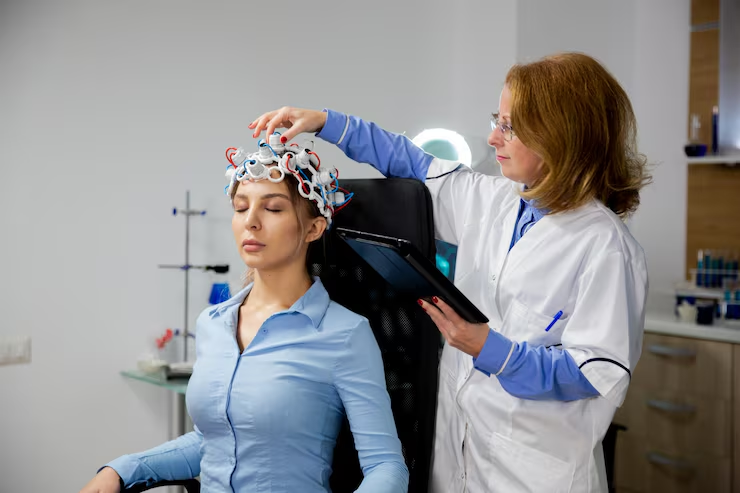
Neurosurgery & Spine Consultation in Basaveshwaranagar Bangalore
Neurosurgery & Spine services assess conditions affecting the spine, nerves, and related movement or sensation problems, with guidance on evaluation and further treatment planning.
A spine surgeon in Bangalore assesses persistent neck or back pain, numbness, tingling or weakness to find the cause and discuss options. At Dr Sandeep's Heart Care Center & Labs in Basaveshwaranagar, Dr. Yadhu K Lokanath, Consultant Neurosurgeon and Spine Surgeon, advises on next steps, which may range from medicines and physiotherapy to surgery when clinically indicated.
What Neurosurgery & Spine Services Evaluate
-
Neck and back pain linked to disc disease, nerve compression, or spinal wear.
-
Numbness, tingling, radiating pain, weakness, or walking difficulty.
-
Structural spine problems, trauma-related issues, or progressive neurological symptoms.
-
Need for specialist opinion when conservative treatment is not enough.
When Neurosurgery & Spine Review Is Recommended
-
Persistent back or neck pain with nerve symptoms.
-
Weakness, loss of coordination, or worsening sensory complaints.
-
Spine symptoms not improving with medicines or physiotherapy.
-
Suspected disc prolapse, spinal stenosis, or trauma-related instability.
Who May Benefit From Neurosurgery & Spine Services
-
Patients with chronic or worsening spine-related pain.
-
People with radiating arm or leg pain and sensory changes.
-
Individuals needing specialist review before injections or surgery.
-
Patients referred after imaging shows significant spinal abnormality.
Benefits of Early Neurosurgery & Spine Assessment
-
Supports earlier specialist assessment of complex spine symptoms.
-
Helps prevent delay when nerve compression is progressing.
-
Clarifies whether medicines, rehabilitation, procedures, or surgery are appropriate.
-
Improves planning for long-term pain and function recovery.
Book a Neurosurgery & Spine Consultation
Consult Dr Sandeep's Heart Care Center & Labs if you need specialist guidance for persistent spine pain or nerve-related symptoms. Early assessment helps define the right next step in treatment and recovery.
Dr Sandeep's Heart Care Center & Labs is located in Basaveshwaranagar and is easily accessible for patients travelling from Rajajinagar, Vijayanagar, Magadi Road,Malleshwaram, Mahalakshmipuram, Mahakashmi Layout, Peenya, Yeshwanthpur, Nandini Layout, Dasarahalli and surrounding areas who are looking for a cardiologist for ongoing heart disease management, BP control, or preventive cardiac care.
Frequently Asked Questions
What does a neurosurgeon do?
A neurosurgeon is a doctor trained to diagnose and treat conditions of the brain, spine and nerves. This includes assessing symptoms, reviewing scans and advising on treatment options. Many patients are managed without surgery; an operation is considered only when assessment suggests it may help.
What does a spine surgeon treat?
A spine surgeon evaluates problems of the spine and the nerves running through it, such as disc prolapse, spinal stenosis, age-related wear and spinal injuries. Treatment depends on the diagnosis and may include medicines, physiotherapy, procedures or surgery. A consultation helps clarify which option, if any, suits your condition.
When should I see a neurosurgeon for back or neck pain?
Consider a specialist opinion if neck or back pain comes with radiating arm or leg pain, numbness, tingling or weakness, or has not improved with medicines or physiotherapy. Sudden weakness, loss of bladder or bowel control, or numbness around the groin needs urgent medical care, not a routine appointment.
Does every spine problem need surgery?
No. Many spine conditions are managed with medicines, activity changes and physiotherapy. Surgery may be considered when symptoms are severe, progressive or not improving with conservative treatment, or when nerve compression causes significant weakness. The decision depends on your examination, scan findings and overall health, after clinical assessment.
What is minimally invasive spine surgery?
Minimally invasive spine surgery uses smaller incisions and specialised instruments, aiming to disturb surrounding muscles and tissues less than traditional open surgery. Dr. Yadhu K Lokanath's profile lists a special interest in this approach. Suitability depends on the specific condition, and not every spine problem can be treated this way.
What is endoscopic spine surgery?
Endoscopic spine surgery is a type of minimally invasive surgery in which a thin tube carrying a camera and small instruments is passed through a small opening to treat selected spine problems. Dr. Yadhu's profile lists training in endoscopic spine surgery. Whether it is suitable is decided case by case after assessment.
How is a spine condition evaluated?
Evaluation usually begins with your symptom history and a physical and neurological examination, including strength, sensation and reflexes. Your doctor may then review existing scans or advise imaging such as X-ray, MRI or CT, depending on the findings. Tests are chosen individually; not everyone needs every investigation.
What should I bring to a neurosurgery consultation?
Bring previous MRI, CT or X-ray reports and films, a list of current medicines, and any earlier prescriptions or physiotherapy notes. Note when symptoms began, what makes them better or worse, and any weakness or numbness. This helps the specialist review your history efficiently and plan the next step.
.png)