-
Follow Us On:
-
-

Coronary Artery Disease
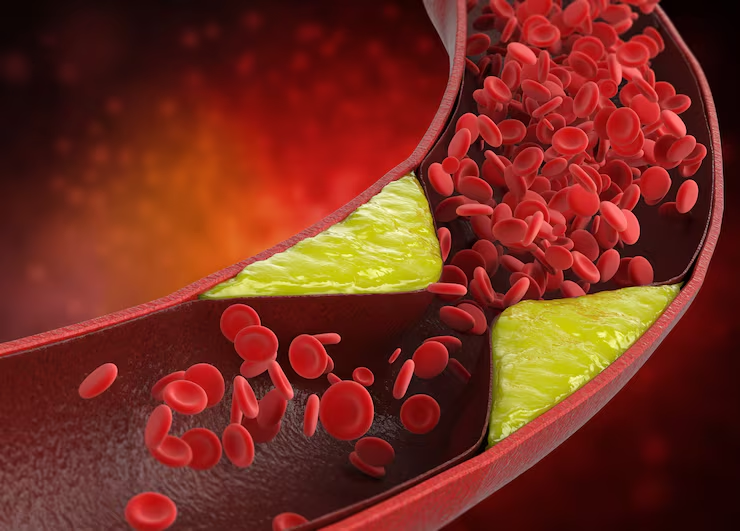
Coronary Artery Disease: Symptoms, Diagnosis and Treatment
Coronary artery disease develops when plaque narrows the arteries that supply blood to the heart muscle. Without treatment, it can lead to angina, heart attack, reduced heart function, and repeated hospital emergencies.
Coronary artery disease develops when fatty plaque narrows the arteries that supply blood to the heart muscle, which can cause angina, breathlessness and, if untreated, a heart attack. Diagnosis may involve ECG, echo, TMT, CT or coronary angiography depending on your symptoms. Our cardiology team evaluates and manages CAD for patients from Basaveshwaranagar, Vijayanagar and nearby parts of Bangalore.
How Coronary Artery Disease Is Managed
-
Evaluation of chest pain, activity-related symptoms, and personal cardiac risk profile.
-
ECG, Echo, TMT, CT, or angiography when artery narrowing is suspected.
-
Medicines to protect the heart, improve blood flow, and control cholesterol and blood pressure.
-
Lifestyle improvement and intervention planning when artery blockages are severe or unstable.
Symptoms and Risks Linked to Coronary Artery Disease
-
Chest pressure, burning, or heaviness with exertion or emotional stress.
-
Breathlessness, reduced stamina, or pain radiating to the arm, jaw, or back.
-
Sudden worsening of symptoms, rest pain, or symptoms after a previous heart event.
-
Silent progression in people with diabetes, which makes screening and follow-up important.
Who Should Seek Care for Coronary Artery Disease
-
People with diabetes, smoking history, high blood pressure, or high cholesterol.
-
Patients with family history of early heart attack or known vascular disease.
-
Adults with recurrent chest discomfort or abnormal stress test findings.
-
People who already had stents, bypass surgery, or prior coronary blockages.
Benefits of Early Coronary Artery Disease Care
-
Helps control symptoms before they become more frequent or severe.
-
Reduces the chance of long-term heart damage and emergency hospital visits.
-
Supports better day-to-day activity tolerance and confidence.
-
Improves long-term heart protection through planned follow-up and risk-factor control.
Book a Coronary Artery Disease Consultation
Consult our cardiology team for timely evaluation and personalised care for Coronary Artery Disease. Early assessment helps control symptoms, reduce complications, and plan the right medicines, lifestyle support, or advanced treatment when needed.
Dr Sandeep's Heart Care Center & Labs is located in Basaveshwaranagar and is easily accessible for patients travelling from Rajajinagar, Vijayanagar, Magadi Road,Malleshwaram, Mahalakshmipuram, Mahakashmi Layout, Peenya, Yeshwanthpur, Nandini Layout, Dasarahalli and surrounding areas who are looking for a cardiologist for ongoing heart disease management, BP control, or preventive cardiac care.
Frequently Asked Questions
What is Coronary Artery Disease?
Coronary artery disease is the narrowing of the arteries that supply blood to the heart muscle, caused by plaque buildup on the artery walls. Over time this can reduce blood flow, leading to angina, breathlessness or, in severe cases, a heart attack.
What are the early warning signs of Coronary Artery Disease?
Early signs can include chest pressure or discomfort during exertion, breathlessness with activity, and reduced stamina. In some patients, particularly those with diabetes, CAD can progress with minimal or no symptoms, making regular screening important.
How is Coronary Artery Disease diagnosed?
Diagnosis may involve an ECG, echocardiogram, treadmill test (TMT), CT coronary angiography, or invasive coronary angiography, depending on your symptoms and risk profile. Your cardiologist decides which tests are appropriate after clinical evaluation.
Is Angioplasty always needed for Coronary Artery Disease?
No. Many patients are managed with medication and lifestyle changes. Coronary angioplasty is considered only for selected patients where artery blockage is significant, based on angiography findings and overall clinical assessment.
Can Coronary Artery Disease be managed with lifestyle changes alone?
For some patients with milder disease, lifestyle changes such as improved diet, regular exercise, smoking cessation and blood pressure or cholesterol control can be an important part of management, often alongside medication. The right approach depends on individual risk.
What is the difference between Angina and a Heart Attack?
Angina is temporary chest discomfort from reduced blood flow that typically eases with rest, while a heart attack involves a sudden, more complete blockage causing lasting damage to the heart muscle and requires emergency care.
Can Coronary Artery Disease occur without any symptoms?
Yes, especially in people with diabetes, CAD can progress silently without typical chest pain. This is why cardiac risk screening is recommended for people with major risk factors even in the absence of symptoms.
When should I see a cardiologist for suspected Coronary Artery Disease?
You should seek cardiology evaluation if you have recurring chest discomfort, breathlessness on exertion, abnormal stress test findings, or major risk factors such as diabetes, smoking, high blood pressure or high cholesterol.
.png)