-
Follow Us On:
-
-

Rheumatic Heart Disease
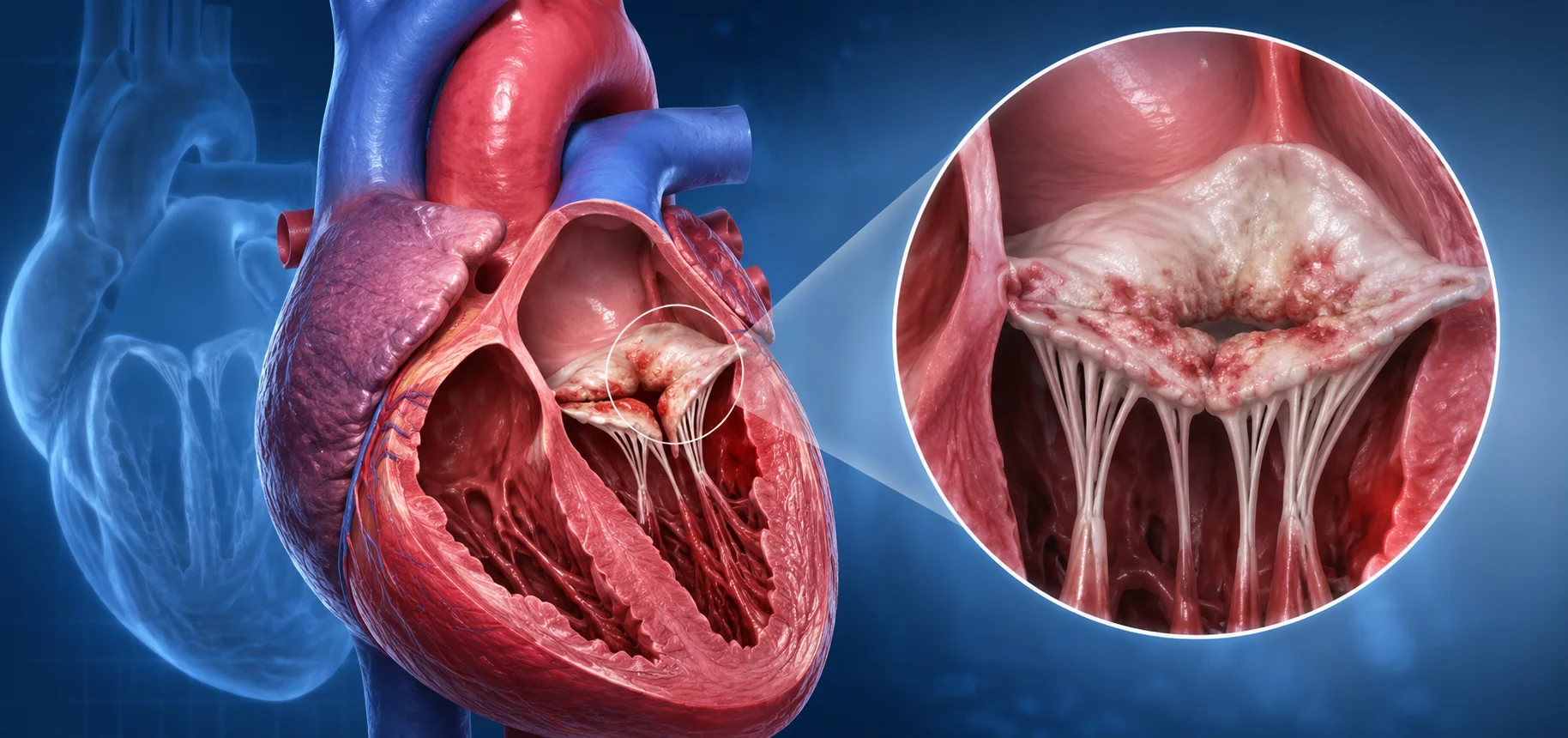
Rheumatic Heart Disease: Valve Damage, Symptoms and Care
Rheumatic heart disease is long-term valve damage caused by rheumatic fever, usually after untreated throat infection. It can lead to valve narrowing, leakage, breathlessness, swelling, and progressive heart strain if not monitored carefully.
Rheumatic heart disease is long-term damage to one or more heart valves, most often the mitral or aortic valve, caused by rheumatic fever following an untreated throat infection. It can lead to valve narrowing or leakage, breathlessness and swelling if not monitored. Our cardiology team evaluates valve function with echocardiography and plans appropriate follow-up for patients from Basaveshwaranagar, Vijayanagar and nearby areas of Bangalore.
How Rheumatic Heart Disease Is Managed
-
Assessment of symptoms, previous rheumatic fever history, and current valve-related complaints.
-
2D Echo to identify affected valves and measure the severity of narrowing or leakage.
-
Medicines to control fluid build-up, rhythm problems, and valve-related symptoms.
-
Regular follow-up and timely intervention planning when valve damage becomes advanced.
Symptoms and Risks Linked to Rheumatic Heart Disease
-
Breathlessness, palpitations, reduced effort tolerance, or leg swelling.
-
Repeated sore throat history followed by gradual heart-related symptoms over the years.
-
Irregular heartbeat or fatigue linked to valve enlargement and strain on the heart.
-
Worsening symptoms during pregnancy, infection, or increased physical stress.
Who Should Seek Care for Rheumatic Heart Disease
-
Patients with a known history of rheumatic fever or childhood valve disease.
-
Adults whose Echo already showed mitral or aortic valve involvement.
-
People with unexplained breathlessness and murmurs in areas where rheumatic disease is common.
-
Patients needing long-term follow-up to prevent progression and complications.
Benefits of Early Rheumatic Heart Disease Care
-
Helps control symptoms before they become more frequent or severe.
-
Reduces the chance of long-term heart damage and emergency hospital visits.
-
Supports better day-to-day activity tolerance and confidence.
-
Improves long-term heart protection through planned follow-up and risk-factor control.
Book a Rheumatic Heart Disease Consultation
Consult our cardiology team for timely evaluation and personalised care for Rheumatic Heart Disease. Early assessment helps control symptoms, reduce complications, and plan the right medicines, lifestyle support, or advanced treatment when needed.
Dr Sandeep's Heart Care Center & Labs is located in Basaveshwaranagar and is easily accessible for patients travelling from Rajajinagar, Vijayanagar, Magadi Road,Malleshwaram, Mahalakshmipuram, Mahakashmi Layout, Peenya, Yeshwanthpur, Nandini Layout, Dasarahalli and surrounding areas who are looking for a cardiologist for ongoing heart disease management, BP control, or preventive cardiac care.
Frequently Asked Questions
What is Rheumatic Heart Disease?
Rheumatic heart disease is long-term damage to the heart valves, most often the mitral or aortic valve, caused by rheumatic fever, which typically follows an untreated throat infection. It can lead to valve narrowing, leakage and reduced heart efficiency over time.
How does Rheumatic Fever damage the heart valves?
Rheumatic fever triggers an immune response to a streptococcal throat infection that can also inflame the heart valves. Repeated episodes or delayed treatment increase the risk of lasting valve scarring, which is what leads to rheumatic heart disease.
What symptoms suggest Rheumatic Heart Disease?
Common symptoms include breathlessness, palpitations, reduced exercise tolerance, leg swelling and fatigue. Symptoms often develop gradually over years after the original episode of rheumatic fever, so a past history of sore throat is a relevant detail to share with your doctor.
Is Rheumatic Heart Disease diagnosed with an echocardiogram?
Yes, 2D Echo is the main test used to evaluate valve structure and function, and to determine the severity of any narrowing or leakage. Your cardiologist may also review your ECG and clinical history as part of the assessment.
Can Rheumatic Heart Disease be cured completely?
Rheumatic heart disease is a chronic condition, and its management focuses on controlling symptoms, monitoring valve function and preventing progression, rather than a guaranteed cure. Treatment plans vary depending on the extent of valve damage in each patient.
Does Rheumatic Heart Disease always require valve surgery?
No. Many patients are managed with medication and regular monitoring. Valve repair or replacement is considered only for select patients when valve damage is significant, based on clinical evaluation by a cardiologist.
Can children develop Rheumatic Heart Disease?
Rheumatic fever, the underlying trigger, most often occurs in childhood following untreated strep throat, though the resulting valve disease may not become apparent until later in life. Prompt treatment of throat infections in children helps reduce this risk.
When should I see a cardiologist for Rheumatic Heart Disease?
If you have a known history of rheumatic fever, unexplained breathlessness, palpitations, or a heart murmur detected during a check-up, a cardiology evaluation with echocardiography can help assess whether valve involvement is present.
.png)