-
Follow Us On:
-
-

Heart Valve Disease
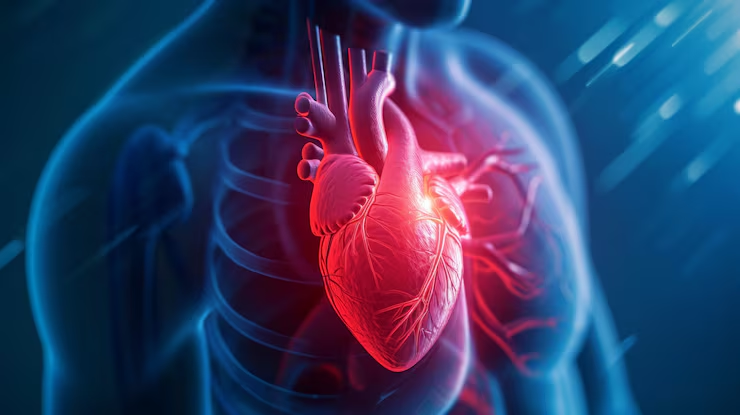
Heart Valve Disease: Symptoms, Diagnosis & Care in Bangalore
Heart valve disease happens when one or more heart valves become narrowed, leaky, or do not open and close properly. Timely diagnosis helps protect heart function and reduces the risk of heart failure and rhythm complications.
How Heart Valve Disease Is Managed
-
Clinical evaluation to understand breathlessness, swelling, fatigue, or reduced exercise capacity.
-
2D Echo and related investigations to identify which valve is affected and how severe the problem is.
-
Medicines to control symptoms such as fluid overload, blood pressure, or rhythm disturbance when needed.
-
Regular follow-up and timely planning for intervention if valve narrowing or leakage becomes significant.
Symptoms and Risks Linked to Heart Valve Disease
-
Shortness of breath during walking, stairs, or daily activity.
-
Swelling of the legs, fatigue, or reduced stamina.
-
Palpitations, chest heaviness, or dizziness in moderate to severe disease.
-
A heart murmur or worsening symptoms after infection, pregnancy, or long-standing untreated disease.
Who Should Seek Care for Heart Valve Disease
-
People with rheumatic fever history or known valve abnormalities.
-
Older adults with calcium-related valve narrowing or degeneration.
-
Patients with unexplained breathlessness, swelling, or recurrent palpitations.
-
Individuals whose earlier Echo showed mild to moderate valve disease that needs follow-up.
Benefits of Early Heart Valve Disease Care
-
Helps control symptoms before they become more frequent or severe.
-
Reduces the chance of long-term heart damage and emergency hospital visits.
-
Supports better day-to-day activity tolerance and confidence.
-
Improves long-term heart protection through planned follow-up and risk-factor control.
Book a Heart Valve Disease Consultation
Consult our cardiology team for timely evaluation and personalised care for Heart Valve Disease. Early assessment helps control symptoms, reduce complications, and plan the right medicines, lifestyle support, or advanced treatment when needed.
Dr Sandeep's Heart Care Center & Labs is located in Basaveshwaranagar and is easily accessible for patients travelling from Rajajinagar, Vijayanagar, Magadi Road,Malleshwaram, Mahalakshmipuram, Mahakashmi Layout, Peenya, Yeshwanthpur, Nandini Layout, Dasarahalli and surrounding areas who are looking for a cardiologist for ongoing heart disease management, BP control, or preventive cardiac care.
Frequently Asked Questions
What is heart valve disease?
Heart valve disease occurs when one or more valves of the heart do not open or close properly, affecting normal blood flow through the heart. It may involve valve narrowing (stenosis) or leakage (regurgitation) and requires evaluation based on symptoms and severity.
What symptoms or warning signs of Heart Valve Disease should not be ignored?
Symptoms such as breathlessness, chest discomfort, fatigue, dizziness, palpitations, reduced exercise tolerance, or swelling in the legs should not be ignored, especially if they are persistent or worsening.
How is Heart Valve Disease usually managed?
Heart valve disease management depends on the affected valve and severity. It may include regular monitoring, medicines to manage symptoms, lifestyle guidance, or procedures such as valve repair or replacement when clinically required.
When should I see a cardiologist for Heart Valve Disease?
You should consult a cardiologist if you experience breathlessness, chest discomfort, unexplained fatigue, dizziness, palpitations, or if you have been diagnosed with a heart murmur or valve abnormality.
What causes heart valve problems?
Heart valve problems can result from causes such as rheumatic fever, age-related calcium buildup and degeneration, infection, or long-standing untreated valve abnormalities. Your cardiologist can help identify the likely cause in your specific case.
Can heart valve disease be detected through an echocardiogram?
Yes. 2D Echo is a key investigation used to identify which valve is affected and how severe the narrowing or leakage is, as part of the overall clinical evaluation.
What is valve narrowing?
Valve narrowing (stenosis) occurs when a heart valve does not open fully, restricting blood flow through it and making the heart work harder.
Does every valve problem require treatment?
No. Many cases of mild to moderate valve disease are managed with regular monitoring and medicines. Intervention is considered only if narrowing or leakage becomes significant or symptoms progress.
.png)