-
Follow Us On:
-
-

Peripheral Intervention
Peripheral Intervention
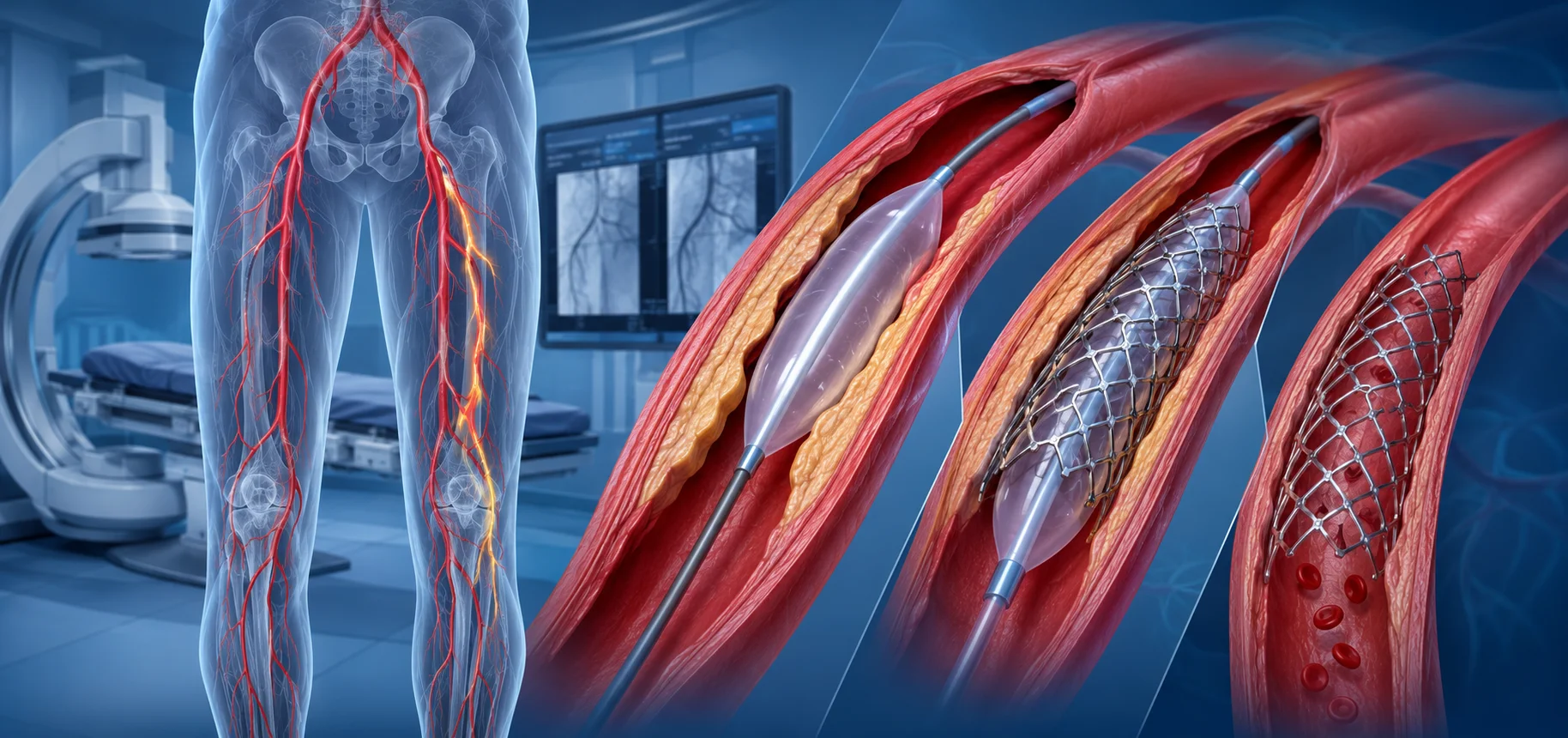
Peripheral intervention treats narrowed or blocked blood vessels outside the heart, restoring circulation to the limbs, kidneys, neck, or abdominal organs. At Dr Sandeep's Heart Care Center & Labs in Basaveshwaranagar, Bangalore, our cardiology team evaluates peripheral artery disease and plans individualised treatment, with care accessible to patients from Vijayanagar and nearby areas of Bangalore.
What Peripheral Intervention Involves
-
Angiography helps locate the exact site and severity of vessel narrowing before treatment.
-
Balloon angioplasty, stenting, or related catheter-based techniques are used to improve blood flow.
-
The goal is to relieve symptoms and protect organs or limbs affected by poor circulation.
-
Treatment planning depends on the vessel involved, plaque severity, and overall vascular risk.
When Peripheral Intervention May Be Recommended
-
Patients with leg pain while walking, non-healing wounds, or cold painful limbs.
-
People with carotid, renal, or abdominal vessel narrowing affecting blood flow or blood pressure control.
-
Patients whose scans show significant blockage in major peripheral arteries.
-
Cases where symptoms continue despite medicine and risk-factor control.
Who May Benefit From Peripheral Intervention
-
People with diabetes, smoking history, kidney disease, or diffuse atherosclerosis.
-
Patients with stroke risk, resistant hypertension, or limb circulation problems.
-
Individuals with worsening vascular symptoms that interfere with daily activity.
-
Patients needing minimally invasive restoration of blood flow outside the heart.
Benefits of Peripheral Intervention
-
Supports timely treatment before circulation or heart function worsens.
-
Can improve symptoms, daily comfort, and overall recovery planning.
-
Helps reduce the risk of future cardiac or vascular complications.
-
Offers a structured path toward safer follow-up and better long-term outcomes.
Book a Peripheral Intervention Consultation
Consult our cardiology team to understand whether Peripheral Intervention is right for your condition. Timely planning helps improve treatment outcomes, reduce complications, and support smoother recovery and follow-up.
Dr Sandeep's Heart Care Center & Labs is located in Basaveshwaranagar and is easily accessible for patients travelling from Rajajinagar, Vijayanagar, Magadi Road,Malleshwaram, Mahalakshmipuram, Mahakashmi Layout, Peenya, Yeshwanthpur, Nandini Layout, Dasarahalli and surrounding areas who are looking for a cardiologist for ongoing heart disease management, BP control, or preventive cardiac care.
Frequently Asked Questions
What is peripheral artery disease?
Peripheral artery disease occurs when the arteries outside the heart — most often in the legs — become narrowed or blocked, reducing blood flow. It can cause leg pain while walking, numbness, or slow-healing wounds, and is commonly linked to diabetes, smoking, and high cholesterol.
Is peripheral intervention the same as peripheral angioplasty?
Not exactly. Peripheral intervention is a broader term covering several catheter-based treatments for narrowed vessels outside the heart, and peripheral angioplasty is one specific technique within it. Your cardiologist will confirm the exact approach after reviewing your imaging and clinical findings.
How is peripheral artery disease diagnosed before treatment?
Diagnosis often starts with a clinical assessment and non-invasive scans, and may be followed by a peripheral angiogram if more detailed vessel mapping is needed. This diagnostic step helps the cardiology team decide whether medication, angioplasty, or another approach is appropriate.
What symptoms suggest I may need a peripheral vascular evaluation?
Leg pain or cramping while walking, cold or numb feet, slow-healing foot wounds, or resistant high blood pressure linked to kidney artery narrowing may warrant evaluation. A cardiologist can assess whether these symptoms relate to peripheral artery disease.
Can peripheral artery disease affect organs other than the legs?
Yes. Narrowed arteries can also affect the carotid arteries in the neck, renal arteries supplying the kidneys, and abdominal vessels, not only the legs. Evaluation depends on the specific symptoms and vessels involved.
Who is at higher risk of needing peripheral intervention?
People with diabetes, a smoking history, chronic kidney disease, or widespread atherosclerosis are generally at higher risk of peripheral artery disease. This does not mean intervention is automatically needed — it means evaluation is generally advisable if symptoms are present.
Is peripheral intervention a major surgery?
Most peripheral interventions are catheter-based and performed through a small puncture rather than open surgery, though the exact approach depends on the vessel and severity of blockage. Your cardiologist can explain the specific procedure being considered for your condition.
Where can I consult for peripheral artery disease near Basaveshwaranagar?
Dr Sandeep's Heart Care Center & Labs in Basaveshwaranagar, Bangalore offers cardiology evaluation for peripheral artery disease and related vascular concerns, and is accessible to patients from Vijayanagar, Rajajinagar, and nearby parts of West Bangalore.
.png)