-
Follow Us On:
-
-

Carotid
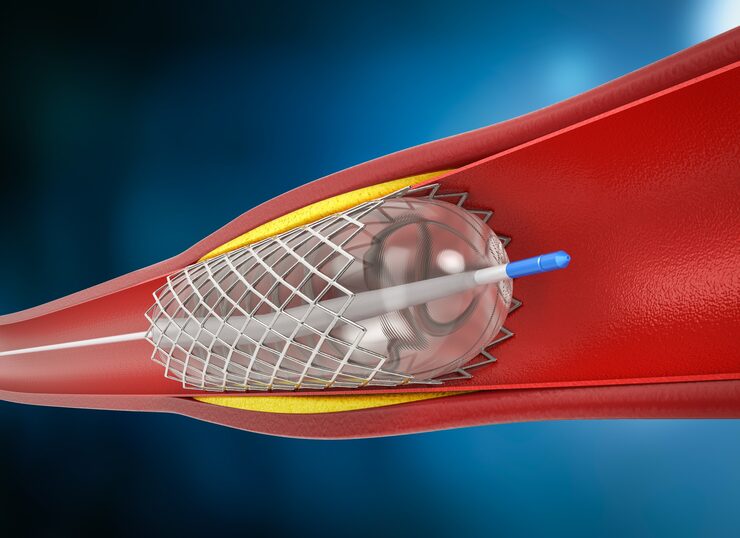
Carotid
Carotid angioplasty is used to improve blood flow through a narrowed carotid artery, helping reduce the risk of stroke in carefully selected patients.
What Carotid Involves
-
Imaging defines the degree and location of carotid narrowing before treatment planning.
-
Balloon angioplasty, often with stent support, is used to widen the artery and improve circulation to the brain.
-
The procedure is chosen only after balancing stroke risk, anatomy, and overall clinical profile.
-
Long-term prevention also depends on blood pressure, cholesterol, and antiplatelet control.
When Carotid May Be Recommended
-
Patients with significant carotid narrowing linked to stroke or transient ischemic attack risk.
-
People whose scans show severe carotid stenosis needing specialist review.
-
Cases where minimally invasive treatment is considered appropriate for the anatomy.
-
Patients who need circulation improvement to reduce future cerebrovascular events.
Who May Benefit From Carotid
-
Individuals with vascular risk factors such as smoking, diabetes, and high cholesterol.
-
Patients with previous TIA, minor stroke, or progressive carotid disease on follow-up.
-
People who need structured prevention planning along with carotid intervention.
-
Patients selected for specialist management of neck artery narrowing.
Benefits of Carotid
-
Supports timely treatment before circulation or heart function worsens.
-
Can improve symptoms, daily comfort, and overall recovery planning.
-
Helps reduce the risk of future cardiac or vascular complications.
-
Offers a structured path toward safer follow-up and better long-term outcomes.
Book a Carotid Consultation
Consult our cardiology team to understand whether Carotid is right for your condition. Timely planning helps improve treatment outcomes, reduce complications, and support smoother recovery and follow-up.
Dr Sandeep's Heart Care Center & Labs is located in Basaveshwaranagar and is easily accessible for patients travelling from Rajajinagar, Vijayanagar, Magadi Road,Malleshwaram, Mahalakshmipuram, Mahakashmi Layout, Peenya, Yeshwanthpur, Nandini Layout, Dasarahalli and surrounding areas who are looking for a cardiologist for ongoing heart disease management, BP control, or preventive cardiac care.
Frequently Asked Questions
What is carotid angioplasty?
Carotid angioplasty is a catheter-based procedure used to widen a narrowed carotid artery in the neck, aiming to improve blood flow to the brain and reduce stroke risk in carefully selected patients. A stent is often placed to help keep the artery open afterward.
What is carotid artery stenosis?
Carotid artery stenosis means narrowing of one of the carotid arteries, usually caused by atherosclerosis — a buildup of fatty plaque within the artery wall. This narrowing can reduce blood flow to the brain and is linked to an increased risk of TIA or stroke.
Is carotid angioplasty suitable for everyone with carotid narrowing?
No. Suitability depends on factors such as the degree of stenosis, whether you've had symptoms or a previous TIA/stroke, your artery anatomy, and your overall clinical profile. A specialist assesses these factors individually before recommending treatment.
What are the warning signs of carotid artery disease?
Warning signs can include sudden weakness or numbness on one side of the body, facial drooping, difficulty speaking, or temporary vision loss — symptoms of a TIA or stroke. These require immediate emergency medical evaluation, as carotid disease can also be present without any symptoms at all.
How is carotid artery stenosis diagnosed?
Carotid stenosis is diagnosed using imaging tests such as Doppler ultrasound, CT angiography, or MR angiography, which are diagnostic tools used to assess the artery before any treatment decision. These are distinct from the angioplasty procedure itself.
How is carotid angioplasty different from carotid surgery (endarterectomy)?
Carotid angioplasty is a catheter-based, minimally invasive approach, while carotid endarterectomy is a surgical procedure to remove plaque directly. The choice between them depends on your anatomy, overall health, and specialist assessment — neither is universally better for every patient.
What are the risks of carotid angioplasty?
As with other vascular procedures, carotid angioplasty carries procedure-specific risks that vary by individual anatomy and health status. Your treating specialist will discuss the risks and expected benefits relevant to your specific case before the procedure.
What follow-up is needed after carotid angioplasty?
Follow-up typically includes monitoring, continued antiplatelet medication, and management of blood pressure and cholesterol, since long-term stroke prevention depends on more than the procedure alone. Your cardiologist may also recommend periodic follow-up imaging.
.png)