-
Follow Us On:
-
-

Electrocardiogram - ECG or EKG
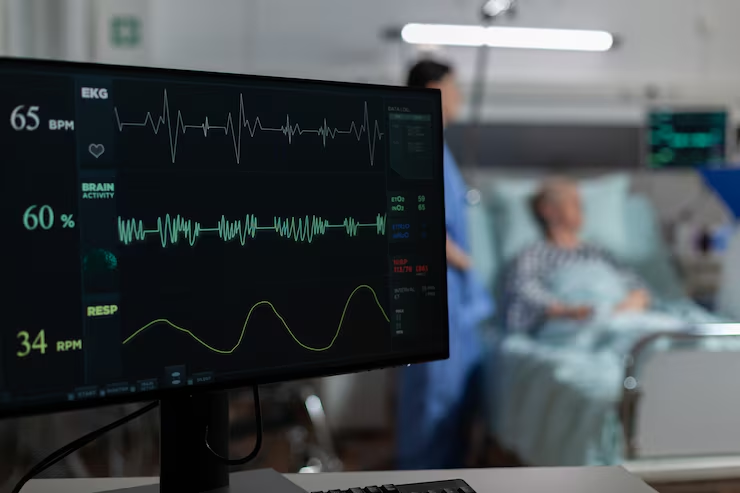
Electrocardiogram (ECG/EKG): Heart Rhythm Diagnostic Test
An electrocardiogram (ECG or EKG) is a quick, painless test that records the heart's electrical activity to detect rhythm disturbances, conduction problems, and signs of heart strain. At Dr Sandeep's Heart Care Center & Labs in Basaveshwaranagar, Bangalore, an ECG is often the first diagnostic step for symptoms such as chest pain, palpitations, or breathlessness.
Electrocardiogram, also called ECG or EKG, records the electrical activity of the heart and helps detect rhythm disturbances, conduction problems, and signs of heart strain or heart attack.
What Electrocardiogram - ECG or EKG Evaluates
-
The test captures the heart's electrical pattern in a quick, painless recording.
-
It helps identify fast, slow, or irregular rhythm changes and conduction delays.
-
ECG can show evidence of ischemia, prior heart damage, or chamber enlargement.
-
It is commonly used as a first-line test in patients with chest pain, palpitations, or dizziness.
When Electrocardiogram - ECG or EKG Is Recommended
-
Chest pain, palpitations, breathlessness, fainting, or unexplained weakness.
-
High blood pressure, diabetes, or known heart disease requiring baseline rhythm assessment.
-
Pre-procedure, pre-surgical, or routine cardiac review when heart rhythm status matters.
-
Urgent evaluation when a heart attack or unstable rhythm is suspected.
Who May Benefit From Electrocardiogram - ECG or EKG
-
Patients with symptoms suggesting rhythm or circulation-related heart problems.
-
Individuals needing a simple baseline heart test during cardiac follow-up.
-
People with abnormal pulse, dizziness, or recurrent palpitations.
-
Patients whose medicines or long-term conditions may affect heart rhythm.
Benefits of Electrocardiogram - ECG or EKG
-
Provides clearer diagnosis and more confident treatment decisions.
-
Helps identify heart problems earlier, before symptoms become serious.
-
Reduces uncertainty when chest pain, breathlessness, or palpitations need explanation.
-
Guides follow-up care, medication changes, and preventive heart planning.
Book a Electrocardiogram - ECG or EKG Evaluation
Consult Dr Sandeep's Heart Care Center & Labs to know whether Electrocardiogram - ECG or EKG is the right next step for your symptoms or ongoing heart condition. Timely testing helps clarify diagnosis, guide treatment, and support safer follow-up care.
Dr Sandeep's Heart Care Center & Labs is located in Basaveshwaranagar and is easily accessible for patients travelling from Rajajinagar, Vijayanagar, Magadi Road,Malleshwaram, Mahalakshmipuram, Mahakashmi Layout, Peenya, Yeshwanthpur, Nandini Layout, Dasarahalli and surrounding areas who are looking for a cardiologist for ongoing heart disease management, BP control, or preventive cardiac care.
Frequently Asked Questions
What is an ECG?
An ECG (electrocardiogram) is a quick, painless test that records the heart's electrical activity using electrodes placed on the chest, arms and legs. It helps detect rhythm disturbances, conduction problems, and signs of heart strain or a past heart attack.
Is there a difference between ECG and EKG?
No — ECG and EKG refer to the exact same test. "EKG" comes from the German term for electrocardiogram, while "ECG" is the more common English abbreviation. Both describe the same painless heart-rhythm recording.
Is an ECG painful?
No. An ECG involves placing small electrode stickers on the skin to record the heart's electrical signals; it does not involve needles or any invasive steps and is generally completed within a few minutes.
What can an ECG detect?
An ECG can detect rhythm disturbances, certain conduction delays, and signs suggesting heart strain or a prior heart attack. It does not directly show coronary artery blockages or detailed pumping function, which require tests like an angiogram or echocardiogram.
What is the difference between ECG and Holter monitoring?
A standard ECG captures a brief snapshot of heart rhythm at one point in time, while Holter monitoring records the rhythm continuously over 24 hours or longer, which can help detect intermittent rhythm problems an ECG alone might miss.
What is the difference between ECG and 2D Echo?
An ECG measures the heart's electrical activity, while a 2D echocardiogram uses ultrasound imaging to assess the heart's structure, valves and pumping function. Your cardiologist may recommend one or both depending on your symptoms.
What happens if my ECG is abnormal?
An abnormal ECG does not always indicate a serious problem. Your cardiologist will review the finding alongside your symptoms and history, and may recommend further tests such as an echocardiogram, TMT, Holter monitoring, or other evaluation as needed.
When should I get an ECG done?
An ECG may be recommended if you have chest pain, palpitations, breathlessness, dizziness, high blood pressure, diabetes, or known heart disease, or as part of a routine cardiac check-up. Your cardiologist can advise if and when it's appropriate for you.
.png)