-
Follow Us On:
-
-

Cardio Diabetes
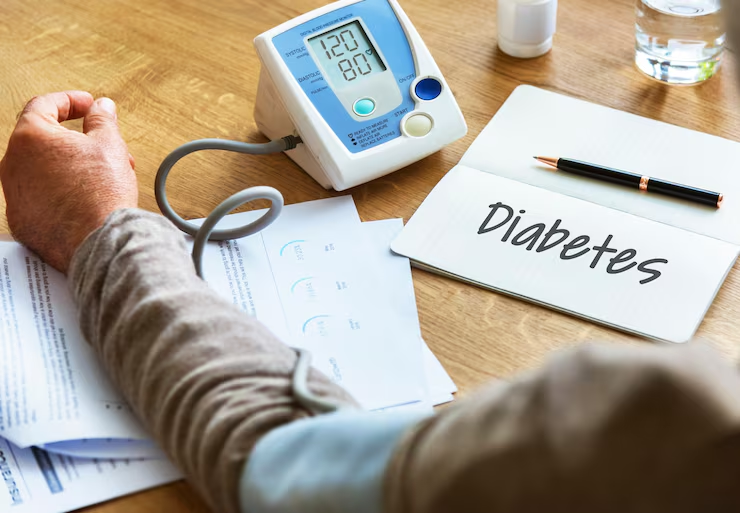
Cardio Diabetes: How Diabetes Affects Your Heart
Cardio diabetes refers to the close link between diabetes and heart disease. People with diabetes are at higher risk of blocked arteries, silent heart damage, high blood pressure, kidney problems, and heart failure, making preventive cardiac care especially important.
Cardio diabetes describes the close relationship between diabetes and heart disease — people with diabetes face a higher risk of blocked arteries, silent heart damage and heart failure, often without obvious warning signs. Coordinated screening of blood sugar, blood pressure and cholesterol helps catch problems early. Our cardiology team offers heart-health evaluation for people with diabetes from Basaveshwaranagar, Vijayanagar and nearby parts of Bangalore.
How Cardio Diabetes Is Managed
-
Combined review of blood sugar control, blood pressure, cholesterol, weight, and kidney function.
-
Cardiac screening for silent ischemia, circulation issues, and early heart muscle strain.
-
Medicines and lifestyle advice coordinated to protect both heart health and glucose control.
-
Long-term prevention planning that focuses on diet, exercise, sleep, tobacco avoidance, and regular follow-up.
Symptoms and Risks Linked to Cardio Diabetes
-
Breathlessness, reduced stamina, or chest discomfort that may be mild or silent in diabetes.
-
Swelling, uncontrolled blood pressure, or abnormal lipid values despite ongoing treatment.
-
Numbness, circulation problems, or kidney changes that signal wider vascular risk.
-
Worsening glucose control together with fatigue or unexplained cardiovascular symptoms.
Who Should Seek Care for Cardio Diabetes
-
People with long-standing diabetes or fluctuating blood sugar levels.
-
Patients with diabetes plus obesity, hypertension, high cholesterol, or kidney disease.
-
Individuals with family history of heart attack or stroke along with diabetes.
-
Anyone with diabetes above 40 years of age who has not had structured cardiac screening.
Benefits of Early Cardio Diabetes Care
-
Helps control symptoms before they become more frequent or severe.
-
Reduces the chance of long-term heart damage and emergency hospital visits.
-
Supports better day-to-day activity tolerance and confidence.
-
Improves long-term heart protection through planned follow-up and risk-factor control.
Book a Cardio Diabetes Consultation
Consult our cardiology team for timely evaluation and personalised care for Cardio Diabetes. Early assessment helps control symptoms, reduce complications, and plan the right medicines, lifestyle support, or advanced treatment when needed.
Dr Sandeep's Heart Care Center & Labs is located in Basaveshwaranagar and is easily accessible for patients travelling from Rajajinagar, Vijayanagar, Magadi Road,Malleshwaram, Mahalakshmipuram, Mahakashmi Layout, Peenya, Yeshwanthpur, Nandini Layout, Dasarahalli and surrounding areas who are looking for a cardiologist for ongoing heart disease management, BP control, or preventive cardiac care.
Frequently Asked Questions
What is the connection between diabetes and heart disease?
Diabetes increases the risk of cardiovascular disease because long-term high blood sugar can damage blood vessels and accelerate plaque buildup in the arteries. Diabetes also frequently occurs alongside other risk factors like high blood pressure and abnormal cholesterol, compounding the risk.
Can diabetics have heart problems without noticing symptoms?
Yes, this is sometimes called silent ischemia. Diabetes can reduce nerve sensitivity, so some patients experience little or no typical chest pain even when significant artery narrowing is present, which is why structured cardiac screening is recommended.
Does diabetes always lead to heart failure or coronary artery disease?
No. Diabetes raises the risk of these conditions, but it does not mean every diabetic patient will develop them. Overall risk depends on factors including blood sugar control, duration of diabetes, blood pressure, cholesterol and lifestyle.
What cardiac tests are recommended for people with diabetes?
Depending on individual risk and symptoms, a cardiologist may recommend blood pressure and lipid profile review, an ECG, and additional evaluation such as echocardiography or TMT when clinically indicated as part of cardiovascular screening.
At what age should diabetics start cardiac screening?
The right time for cardiac screening depends on factors such as how long you've had diabetes, other risk factors and any existing symptoms, so this is best discussed individually with your cardiologist rather than following a fixed age rule.
Can controlling blood sugar reduce heart disease risk in diabetics?
Good blood sugar control, alongside management of blood pressure and cholesterol, is generally considered an important part of reducing cardiovascular risk in people with diabetes, though individual risk also depends on other factors.
Is chest pain in a diabetic patient always a heart problem?
Chest discomfort should always be evaluated, but not every case is cardiac in origin. Because diabetes can also cause silent or atypical symptoms, any new or unexplained symptom in a diabetic patient is worth discussing with a doctor promptly.
When should a person with diabetes consult a cardiologist?
If you have long-standing diabetes, additional risk factors such as high blood pressure or high cholesterol, a family history of heart disease, or any cardiac symptoms, a cardiology consultation can help assess and manage your cardiovascular risk.
.png)