-
Follow Us On:
-
-

Peripheral Angioplasty
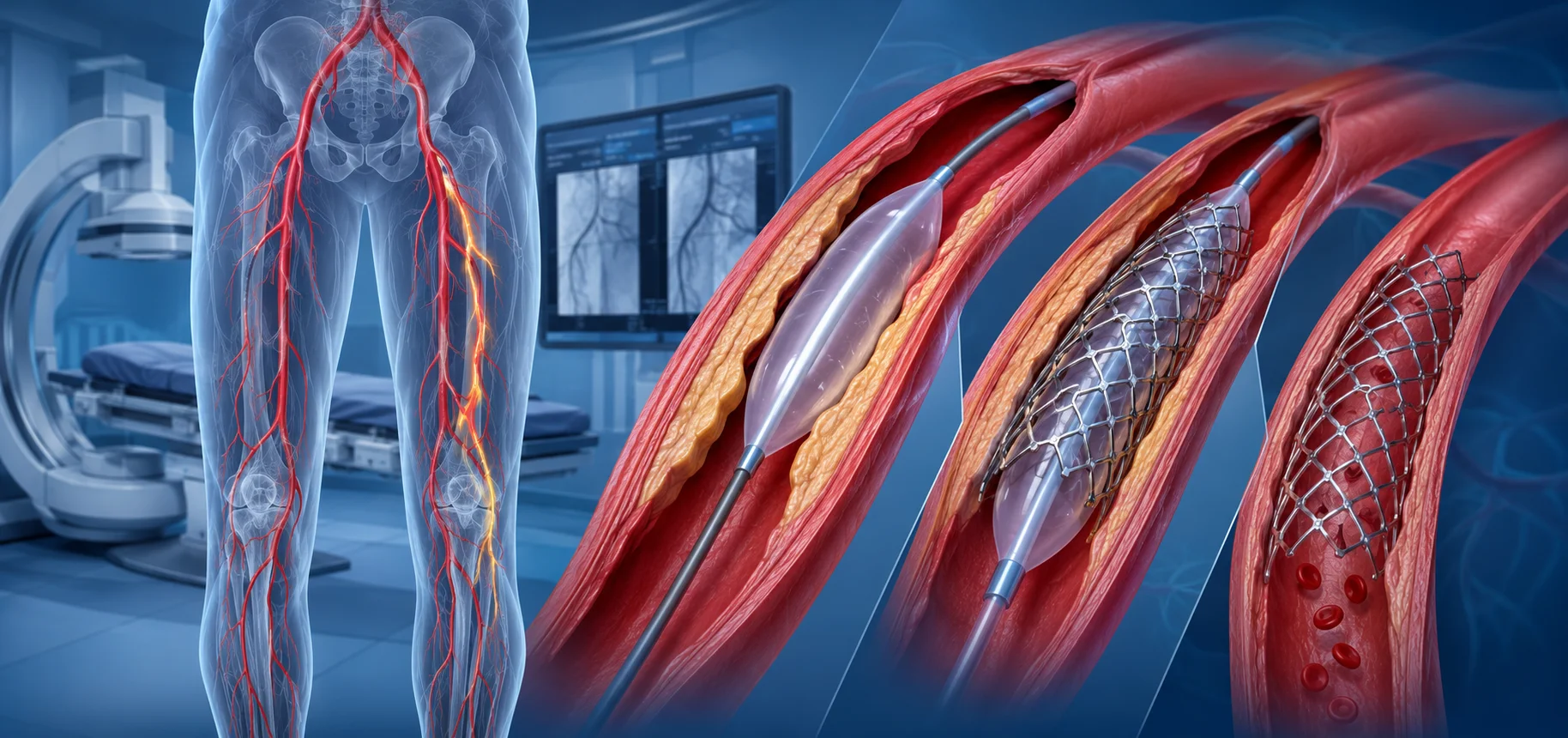
Peripheral Angioplasty
Peripheral angioplasty is a minimally invasive procedure used to open narrowed or blocked blood vessels outside the heart, restoring healthy blood flow to the brain, kidneys, abdomen, and limbs. It is an effective, catheter-based alternative to open surgery for treating peripheral artery disease.
Peripheral angioplasty is a minimally invasive, catheter-based procedure used to open narrowed or blocked arteries outside the heart, including the carotid, renal, abdominal, and lower-limb vessels. Our cardiology team at Dr Sandeep's Heart Care Center & Labs in Basaveshwaranagar, Bangalore evaluates each patient's arterial narrowing before recommending treatment, with care accessible to patients from Vijayanagar too.
Key Peripheral Angioplasty Treatments We Offer
-
Carotid Angioplasty: Opens narrowed carotid arteries in the neck that supply blood to the brain, helping reduce the risk of stroke.
-
Renal Angioplasty: Treats narrowed kidney arteries that cause uncontrolled high blood pressure or reduced kidney function.
-
Abdominal Vessel Angioplasty: Restores blood flow in blocked abdominal arteries, relieving pain and improving organ blood supply.
-
Lower Limb Angioplasty: Opens blocked leg arteries to relieve pain, cramping, and non-healing wounds caused by poor circulation.
Why Peripheral Angioplasty Is Important
-
Restores blood flow to affected organs and limbs.
-
Reduces the risk of stroke from carotid blockages.
-
Helps control blood pressure linked to renal artery narrowing.
-
Relieves leg pain and prevents non-healing wounds.
-
Offers a minimally invasive alternative to open surgery.
Common Symptoms That Need Evaluation
-
Leg pain or cramping while walking (claudication).
-
Numbness or coldness in the foot or lower leg.
-
Slow-healing wounds on the leg or foot.
-
Uncontrolled high blood pressure despite medication.
-
Dizziness or symptoms suggestive of reduced blood flow to the brain.
Benefits of Peripheral Angioplasty
-
Minimally invasive with faster recovery than surgery.
-
Improved circulation and reduced pain.
-
Lower risk of stroke, limb loss, and organ damage.
-
Shorter hospital stay and quicker return to daily life.
-
Better long-term vascular health.
Book a Peripheral Angioplasty Consultation
Consult our specialists to evaluate carotid, renal, abdominal vessel, or lower limb blockages. Early treatment with peripheral angioplasty helps prevent stroke, limb complications, and organ damage.
Dr Sandeep's Heart Care Center & Labs is located in Basaveshwaranagar and is easily accessible for patients travelling from Rajajinagar, Vijayanagar, Magadi Road,Malleshwaram, Mahalakshmipuram, Mahakashmi Layout, Peenya, Yeshwanthpur, Nandini Layout, Dasarahalli and surrounding areas who are looking for a cardiologist for ongoing heart disease management, BP control, or preventive cardiac care.
Frequently Asked Questions
What is carotid angioplasty used for?
Carotid angioplasty opens narrowed carotid arteries in the neck that supply blood to the brain, helping reduce the risk of stroke caused by restricted blood flow.
When is renal artery angioplasty required?
Renal artery angioplasty is required when narrowed kidney arteries cause uncontrolled high blood pressure or reduced kidney function, restoring blood flow to the kidneys.
What are the signs of peripheral artery disease in the legs?
Common signs include leg pain or cramping while walking, numbness, coldness in the lower leg or foot, and slow-healing wounds, which may indicate blockages requiring lower limb angioplasty.
Is peripheral angioplasty a major surgery?
No, peripheral angioplasty is a minimally invasive, catheter-based procedure performed through a small puncture, and most patients recover quickly compared to open surgical alternatives.
What vessels can be treated with peripheral angioplasty?
Peripheral angioplasty can treat blockages in the carotid arteries, renal arteries, abdominal vessels, and lower limb arteries, restoring healthy blood flow to the affected area.
How is peripheral angioplasty different from a peripheral angiogram?
A peripheral angiogram is a diagnostic imaging test that maps blockages using contrast dye and X-ray, while peripheral angioplasty is the treatment that opens the narrowed vessel, usually with a balloon or stent. An angiogram often precedes angioplasty to guide the treatment plan.
How is the right treatment site decided for peripheral angioplasty?
The location, length, and severity of the arterial narrowing, along with the patient's overall health and risk factors like diabetes or kidney function, guide the decision. This is determined after imaging and clinical evaluation by the cardiology team, not before assessment.
What should I ask my cardiologist before a peripheral angioplasty?
Useful questions include what the procedure involves, expected recovery time, possible risks, and whether alternatives like medication or lifestyle change are appropriate first. Discussing these directly with your cardiologist helps you make an informed, individualised decision.
.png)