-
Follow Us On:
-
-

High Cholesterol
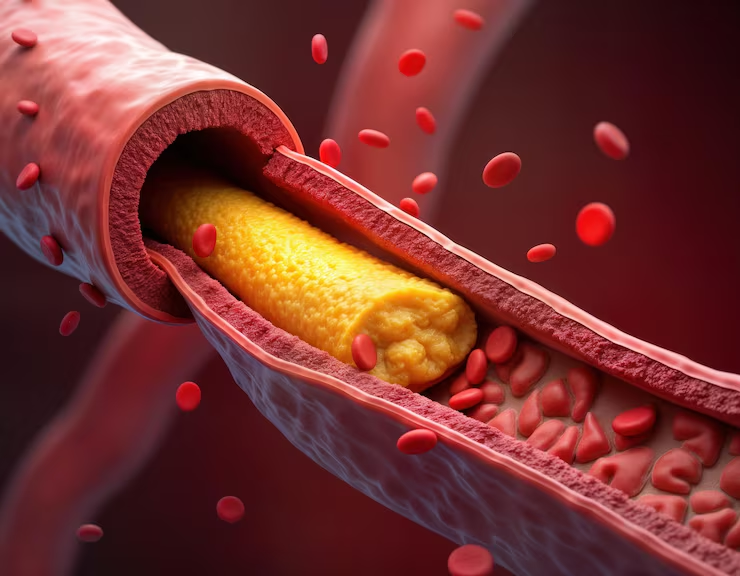
High Cholesterol: Causes, Risks and Treatment
High cholesterol causes plaque build-up inside arteries and increases the risk of angina, heart attack, and stroke. Early control of cholesterol levels is an important part of long-term heart protection.
How High Cholesterol Is Managed
-
Lipid profile testing and risk assessment based on age, diabetes, blood pressure, and family history.
-
Diet counselling to reduce saturated fat, processed foods, and excess weight gain.
-
Medicines such as statins or other lipid-lowering therapy when heart risk is significant.
-
Regular follow-up to check treatment response and improve long-term artery protection.
Symptoms and Risks Linked to High Cholesterol
-
High cholesterol often causes no direct symptoms until artery blockage develops.
-
Chest pain, reduced exercise tolerance, or stroke risk may rise when plaque burden becomes significant.
-
Strong family history of early heart attack can suggest inherited cholesterol disorders.
-
Abnormal lipid reports that stay high despite diet control need cardiology review.
Who Should Seek Care for High Cholesterol
-
People with diabetes, high blood pressure, obesity, or tobacco use.
-
Patients with existing coronary artery disease or previous stroke.
-
Adults with family history of early heart disease or very high lipid values.
-
Individuals with inactive lifestyle and long-standing unhealthy dietary habits.
Benefits of Early High Cholesterol Care
-
Helps control symptoms before they become more frequent or severe.
-
Reduces the chance of long-term heart damage and emergency hospital visits.
-
Supports better day-to-day activity tolerance and confidence.
-
Improves long-term heart protection through planned follow-up and risk-factor control.
Book a High Cholesterol Consultation
Consult our cardiology team for timely evaluation and personalised care for High Cholesterol. Early assessment helps control symptoms, reduce complications, and plan the right medicines, lifestyle support, or advanced treatment when needed.
Dr Sandeep's Heart Care Center & Labs is located in Basaveshwaranagar and is easily accessible for patients travelling from Rajajinagar, Vijayanagar, Magadi Road,Malleshwaram, Mahalakshmipuram, Mahakashmi Layout, Peenya, Yeshwanthpur, Nandini Layout, Dasarahalli and surrounding areas who are looking for a cardiologist for ongoing heart disease management, BP control, or preventive cardiac care.
Frequently Asked Questions
What is considered High Cholesterol?
Cholesterol levels are assessed through a lipid profile blood test that measures total cholesterol, LDL, HDL and triglycerides. What counts as high depends on your overall cardiovascular risk factors, so your cardiologist interprets the report in the context of your individual health profile rather than a single number.
Can High Cholesterol be managed without medicines?
In some patients, dietary changes, regular physical activity and weight management can help improve lipid levels. Whether medication such as a statin is also needed depends on the patient's cardiovascular risk and lipid profile, as assessed by a cardiologist after evaluation.
Does High Cholesterol cause any symptoms?
High cholesterol usually causes no direct symptoms until it contributes to significant artery narrowing. This is why lipid profile testing, rather than waiting for symptoms, is often how high cholesterol is first identified.
Is High Cholesterol linked to heart attack risk?
Persistently high LDL cholesterol can contribute to plaque buildup in the coronary arteries over time, which is a recognised risk factor for coronary artery disease and heart attack. Your individual risk depends on several factors evaluated together.
How often should I get my cholesterol checked?
The right frequency for lipid profile testing depends on your age, existing risk factors and any current treatment, so this is best decided with your cardiologist rather than following a fixed schedule for everyone.
Can High Cholesterol run in families?
Yes, some patients have an inherited tendency toward high LDL cholesterol regardless of diet or lifestyle. A strong family history of early heart attack or very high lipid values is a reason to discuss cardiology evaluation.
Is High Cholesterol the same as High Triglycerides?
No. Cholesterol and triglycerides are both measured in a lipid profile but are different types of fat in the blood. Both can affect cardiovascular risk, and your doctor reviews them together rather than in isolation.
When should I consult a cardiologist about my cholesterol report?
If your lipid report shows persistently high LDL despite diet changes, or if you have diabetes, high blood pressure, a family history of early heart disease, or existing coronary artery disease, a cardiology consultation can help plan the right next step.
.png)