-
Follow Us On:
-
-

Cardiac Procedures
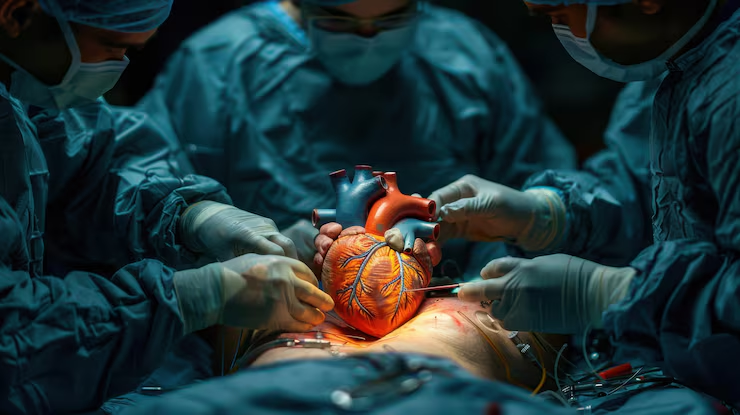
Cardiac Procedures in Basaveshwaranagar, Bangalore
Cardiac procedures are specialized interventional and minimally invasive treatments used to open blocked arteries, correct rhythm problems, and repair structural issues within the heart and blood vessels. These procedures are performed by experienced cardiologists using advanced catheter-based techniques, offering faster recovery and fewer risks compared to open-heart surgery in most cases.
Key Cardiac Procedures We Offer
-
Structural Heart Interventions: Minimally invasive procedures used to treat valve and structural heart problems without open-heart surgery.
-
Peripheral Intervention: Treats narrowed or blocked blood vessels outside the heart to restore healthy blood flow to the limbs and organs.
-
Peripheral Angioplasty: Opens narrowed peripheral arteries using a balloon and, if required, a stent to improve circulation.
-
Peripheral Angiogram: A diagnostic imaging procedure that identifies blockages in the peripheral blood vessels before planning treatment.
-
Pacemakers: Small devices implanted under the skin to regulate slow or irregular heartbeats and maintain a normal heart rhythm.
-
Implantable Cardioverter Defibrillators (ICD): Devices that monitor heart rhythm continuously and deliver therapy to prevent sudden cardiac arrest in high-risk patients.
-
Coronary Angioplasty: Opens blocked coronary arteries using a balloon and stent to restore blood flow to the heart muscle.
-
Coronary Angiogram: A diagnostic procedure that uses dye and X-ray imaging to detect blockages in the coronary arteries.
Why Cardiac Procedures Are Important
-
Restore healthy blood flow to the heart and body.
-
Correct dangerous heart rhythm problems.
-
Reduce the risk of heart attack and sudden cardiac arrest.
-
Offer minimally invasive alternatives to open surgery.
-
Support faster recovery and improved quality of life.
Who May Need a Cardiac Procedure
-
Patients with confirmed coronary artery blockages.
-
Patients with slow, fast, or irregular heart rhythms.
-
Patients with narrowed peripheral arteries.
-
Patients with heart valve or structural heart problems.
-
Patients at high risk of sudden cardiac arrest.
Benefits of Timely Cardiac Intervention
-
Prevents further damage to the heart muscle.
-
Reduces hospital stay with minimally invasive techniques.
-
Improves long-term heart function and rhythm control.
-
Lowers the risk of future cardiac emergencies.
-
Restores confidence to resume daily activities safely.
Book a Cardiac Procedure Consultation
Consult an experienced heart specialist to know if you need coronary angioplasty, coronary angiogram, pacemaker implantation, ICD, peripheral intervention, or structural heart treatment. Timely evaluation helps plan the right procedure and supports faster, safer recovery.
Dr Sandeep's Heart Care Center & Labs is located in Basaveshwaranagar and is easily accessible for patients travelling from Rajajinagar, Vijayanagar, Magadi Road,Malleshwaram, Mahalakshmipuram, Mahakashmi Layout, Peenya, Yeshwanthpur, Nandini Layout, Dasarahalli and surrounding areas who are looking for a cardiologist for ongoing heart disease management, BP control, or preventive cardiac care.
Frequently Asked Questions
How do I know if I need an angiogram or straight to angioplasty?
A coronary angiogram is usually done first to confirm the location and severity of a blockage. Based on those findings, your cardiologist decides whether angioplasty is needed immediately, can be planned later, or whether medication alone may be appropriate for your specific case.
How long does recovery take after coronary angioplasty?
Many patients are able to go home within a day or two after angioplasty and resume light activities within a week, though this varies based on the complexity of the procedure and the patient's overall health. Your cardiologist will guide you on specific recovery timelines.
Will I feel the pacemaker after it is implanted?
Most patients adjust to the presence of a pacemaker within a few weeks and are not constantly aware of it. Some initial soreness near the implant site is common, and your cardiologist will guide you on activity restrictions during early recovery.
Is peripheral angioplasty similar to coronary angioplasty?
The underlying technique is similar — a balloon, and sometimes a stent, is used to open a narrowed artery. The key difference is location: peripheral angioplasty treats vessels outside the heart, such as those supplying the legs, kidneys, or other organs.
Can I avoid a cardiac procedure with medication alone?
In some cases, mild blockages or rhythm issues may be managed with medication and lifestyle changes. Whether a procedure is necessary depends on the severity of the condition found during evaluation, and this decision should always be made with your cardiologist.
What is the difference between ICD and CRT devices?
An ICD primarily monitors for dangerous fast heart rhythms and can deliver a shock when needed, while devices used in structural or rhythm-coordination problems may combine additional pacing functions. Your cardiologist will recommend the specific device suited to your heart rhythm and function.
Are cardiac procedures safe for older adults?
Age alone is not usually a barrier to most catheter-based cardiac procedures, though overall health, kidney function, and other conditions are considered during evaluation. Your cardiologist assesses individual risk before recommending any procedure.
I'm from Vijayanagar — can I consult for a second opinion on a suggested cardiac procedure?
Yes, patients from Vijayanagar and nearby areas can consult the cardiology team at Basaveshwaranagar for a review of angiogram or test reports and a second opinion on a suggested procedure such as angioplasty, pacemaker, or structural heart intervention.
.png)