-
Follow Us On:
-
-

High Blood Pressure
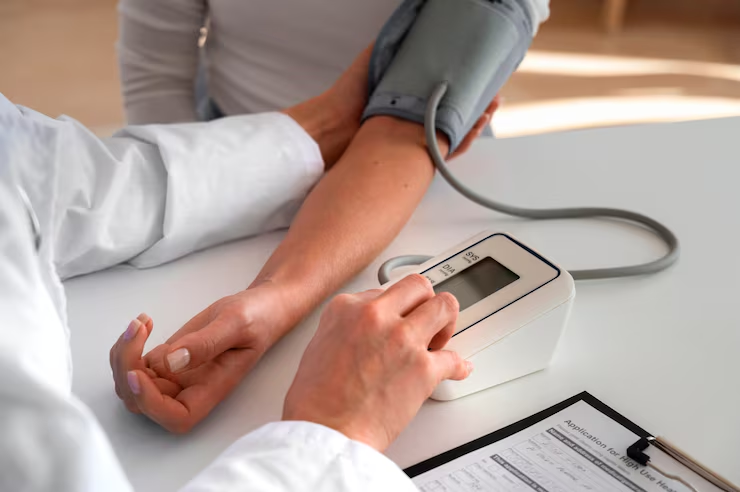
High Blood Pressure (Hypertension) Care in Basaveshwar Nagar
High blood pressure often has no symptoms, but over time it can silently damage the heart, brain, kidneys, and blood vessels. Proper control is essential to reduce the risk of stroke, heart attack, heart failure, and kidney disease.
How High Blood Pressure Is Managed
-
Accurate blood pressure measurement in clinic and, when needed, ambulatory BP monitoring.
-
Assessment for heart strain, kidney impact, diabetes, and other linked risk factors.
-
Medicines tailored to age, associated illnesses, and the severity of blood pressure elevation.
-
Long-term lifestyle planning that focuses on salt control, weight management, exercise, sleep, and stress reduction.
Symptoms and Risks Linked to High Blood Pressure
-
Headache, giddiness, or blurred vision when blood pressure becomes significantly high.
-
Chest discomfort, breathlessness, or swelling if long-term damage has affected the heart.
-
Readings that stay above the target range despite diet control or regular medicine.
-
Silent progression without symptoms, making routine screening especially important.
Who Should Seek Care for High Blood Pressure
-
Adults with family history of hypertension, diabetes, or premature heart disease.
-
People with obesity, kidney disease, high stress, or sedentary lifestyle.
-
Patients with repeated clinic readings above normal or fluctuating home readings.
-
Individuals already taking medicine but still not reaching blood pressure goals.
Benefits of Early High Blood Pressure Care
-
Helps control symptoms before they become more frequent or severe.
-
Reduces the chance of long-term heart damage and emergency hospital visits.
-
Supports better day-to-day activity tolerance and confidence.
-
Improves long-term heart protection through planned follow-up and risk-factor control.
Book a High Blood Pressure Consultation
Consult our cardiology team for timely evaluation and personalised care for High Blood Pressure. Early assessment helps control symptoms, reduce complications, and plan the right medicines, lifestyle support, or advanced treatment when needed.
Dr Sandeep's Heart Care Center & Labs is located in Basaveshwaranagar and is easily accessible for patients travelling from Rajajinagar, Vijayanagar, Magadi Road,Malleshwaram, Mahalakshmipuram, Mahakashmi Layout, Peenya, Yeshwanthpur, Nandini Layout, Dasarahalli and surrounding areas who are looking for a cardiologist for ongoing heart disease management, BP control, or preventive cardiac care.
Frequently Asked Questions
What is High Blood Pressure?
High blood pressure or hypertension is a condition where blood pressure remains elevated over time. It can affect heart and blood vessel health and requires proper evaluation, monitoring and management based on individual risk factors.
Why Can High Blood Pressure Affect Heart Health?
Persistently high blood pressure makes the heart work harder over time, which can strain the heart muscle and blood vessels and increase the risk of heart attack, heart failure, and stroke.
What Symptoms May Occur?
High blood pressure may not always cause noticeable symptoms. Some people may experience symptoms such as headache, dizziness, breathlessness or chest discomfort, especially when blood pressure is significantly elevated or associated with other conditions.
Why Can Hypertension Sometimes Have No Obvious Symptoms?
Hypertension can progress silently without obvious symptoms, which is why regular blood pressure checks and monitoring are important even when a person feels well.
How Is Blood Pressure Assessed?
Blood pressure is assessed through accurate measurement during clinic visits and, when needed, ambulatory blood pressure monitoring to understand blood pressure patterns over time.
What Is Ambulatory Blood Pressure Monitoring?
Ambulatory BP monitoring records blood pressure readings over a set period, typically 24 hours, while you continue daily activities. It provides a fuller picture than a single clinic reading and is useful when readings fluctuate or clinic measurements alone are not conclusive.
How Lifestyle Changes May Support Blood Pressure Management?
Lifestyle changes such as balanced diet, regular activity, weight management, reducing unhealthy habits and following long-term heart health guidance can support blood pressure management along with medical advice.
When May Medication Be Considered?
Medication may be considered when lifestyle measures alone are not sufficient or when blood pressure levels and associated health risks require additional management. The choice depends on individual evaluation by a doctor.
Why Regular Monitoring Matters / When to Seek Medical Attention?
Regular monitoring helps understand blood pressure control and allows timely changes in management when needed. Prompt medical attention should be considered if blood pressure concerns occur with symptoms such as chest discomfort, breathlessness, severe dizziness or other worrying changes.
.png)